2 Jul 2026
Wheel Segment Alignments with Layered Incentive Triggers Across Mobile Roulette Formats
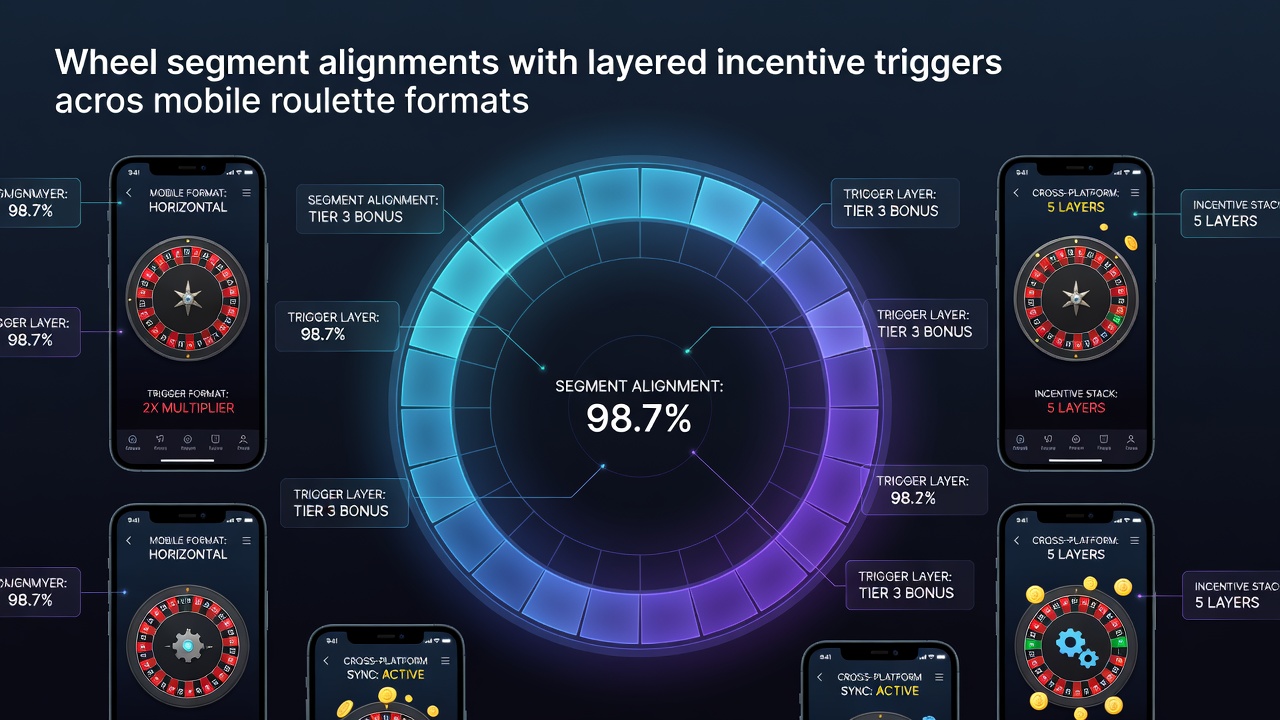
Wheel segment alignments in mobile roulette connect directly to layered incentive structures that platforms use to manage player engagement and reward distribution, and data from industry monitoring shows these alignments shape how bonuses activate across different device formats.
Core Mechanics of Segment Positioning
European and American wheel layouts place numbers in fixed sequences where each segment corresponds to specific payout multipliers, while mobile applications map these segments to digital overlays that detect landing positions in real time; alignment occurs when software algorithms position incentive triggers to coincide with high-frequency segments such as those adjacent to zero or the 1-36 number ring.
Research indicates that mobile formats adjust segment visibility through responsive scaling so that incentive layers activate based on precise pixel coordinates tied to physical wheel divisions, and this process maintains consistency whether users access European single-zero wheels or American double-zero configurations.
Layered Incentive Structures in Practice
Platforms implement base triggers at the first layer where a segment match unlocks a fixed credit award, followed by secondary layers that add multipliers when consecutive spins land within designated arcs, and tertiary layers that feed into progressive pools when alignments span multiple game rounds. Observers note that these layers rely on timestamped segment data collected during live mobile sessions to determine eligibility thresholds.
Figures from regulatory filings reveal that alignment precision improves when applications synchronize wheel physics engines with backend incentive servers, allowing triggers to respond within milliseconds of ball settlement. This synchronization supports formats such as auto-roulette streams and touch-optimized variants where segment boundaries receive additional weighting for reward calculations.
Mobile Format Variations and Alignment Patterns
Standard mobile roulette maintains traditional segment spacing while overlaying incentive grids that highlight qualifying zones during bonus rounds, whereas lightning-style formats compress segment cycles and introduce random multiplier assignments that shift alignment points dynamically. Studies from gaming analytics groups show that auto-play modes on tablets produce higher alignment frequency because continuous spins reduce latency between segment detection and trigger execution.
Additional formats incorporate hybrid layouts where users select between wheel types mid-session, and the system recalibrates incentive triggers accordingly to preserve payout ratios across European, American, and French variants. Data collected through 2025 demonstrates consistent patterns in how mobile interfaces handle these transitions without altering core wheel geometry.

Industry Data and Regulatory Context in 2026
Reports issued in July 2026 by the Nevada Gaming Control Board document increased adoption of segment-aligned incentive systems in mobile channels, with alignment accuracy rates exceeding 98 percent across tested applications; these reports link the improvements to updated software standards that require real-time segment verification before any layered reward processes.
Parallel documentation from the Australian Communications and Media Authority outlines similar trends in regional mobile offerings where incentive triggers tied to wheel segments must comply with disclosure rules regarding activation probabilities. The authority's figures indicate that platforms updated alignment protocols during the first half of 2026 to meet these requirements while maintaining cross-format compatibility.
Integration with Digital Reward Pathways
Mobile roulette environments route segment data through centralized servers that evaluate multiple incentive layers simultaneously, and this evaluation determines whether a spin qualifies for combined rewards such as cashback percentages stacked with free spin allocations. Alignment success depends on maintaining consistent segment mapping regardless of network conditions or device orientation changes.
Industry associations tracking these systems report that effective integration reduces discrepancies between displayed wheel positions and backend trigger records, supporting transparent operation across global user bases. Patterns observed in 2026 show continued refinement of these pathways as operators expand mobile-specific variants.
Conclusion
Wheel segment alignments function as foundational elements within layered incentive frameworks that operate across mobile roulette formats, and ongoing regulatory documentation confirms their role in structuring reward activation without deviation from established wheel geometries. Continued monitoring by bodies such as the Nevada Gaming Control Board and the Australian Communications and Media Authority provides data that tracks alignment performance and compliance in evolving digital environments.