22 Aug 2026
Tracing the Evolution of Roulette Chip Denominations and Their Correlation with Digital Casino Tier Progression Systems
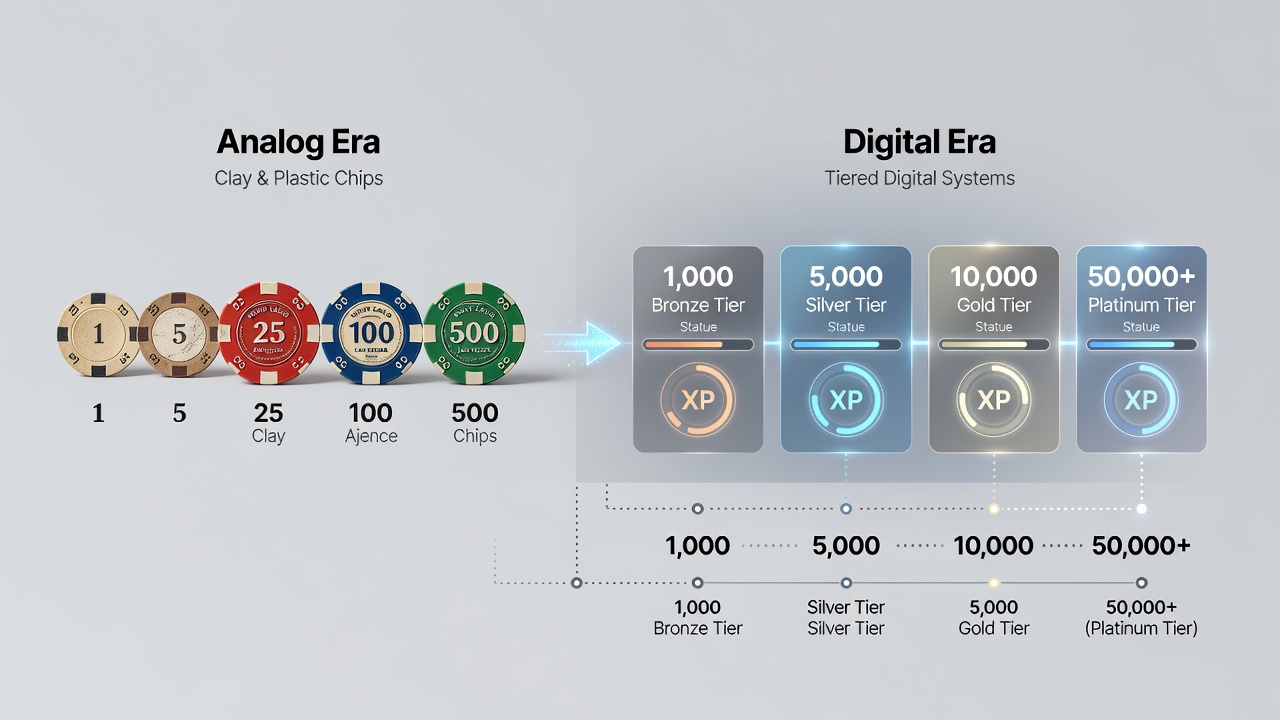
Early roulette operations in the 19th century relied on physical chips with limited denominations that reflected available currency units and basic table limits, while operators standardized colors such as white for one unit, red for five, and blue for ten to speed up play and reduce errors. Historians note that these initial systems emerged from European gaming houses where chip values aligned directly with silver and gold coin standards of the period, creating a direct link between physical tokens and cash equivalents that persisted through the early 20th century expansions in the United States.
Physical Chip Standardization Across Regions
By the 1940s and 1950s American casinos expanded denomination ranges to accommodate growing high-limit rooms, adding green twenty-five and black one-hundred chips as tourism increased visitor volume and average bet sizes. Data from the Nevada Gaming Control Board shows that chip inventories grew more complex during this era because operators needed to manage multiple table minimums within single pits, while manufacturers introduced edge markings and serial numbers to combat counterfeiting. European properties followed similar patterns yet retained some local currency ties, for example French casinos often incorporated franc-based increments that shifted after the euro transition in 2002.
Transition to Digital Platforms and Virtual Denominations
Online casinos introduced virtual chip systems in the mid-1990s that mirrored physical colors and values but operated through software layers capable of dynamic adjustment based on player accounts. Research from industry analysts indicates that these digital representations allowed platforms to scale denominations instantly without physical production costs, enabling tables to offer micro-bets alongside high-limit options within the same interface. Integration with player databases meant chip values could tie into account status, setting the stage for later tier-based modifications that altered effective denominations through multipliers or bonus credits.
Development of Tier Progression Mechanisms
Digital casino loyalty programs evolved from simple point accumulation in the early 2000s into structured tier systems where players advance through levels such as bronze, silver, gold, and platinum by meeting wagering thresholds. Figures from the European Gaming and Betting Association reveal that tier advancement frequently unlocks access to higher virtual denomination chips or reduced minimum bets, creating a correlation where progression directly influences the granularity of chip options available during roulette sessions. Operators implemented these structures to encourage sustained play, with data showing that players reaching upper tiers often receive personalized chip sets that simulate premium physical values through visual upgrades and bonus stacking features.

Studies published in gaming technology journals demonstrate that the correlation strengthened after mobile platforms gained dominance around 2015, because apps could adjust chip displays in real time according to a user's current tier without requiring separate table navigation. One documented case involved a major operator linking gold-tier status to exclusive fifty and five-hundred virtual chips that carried visual indicators of loyalty rank, thereby merging denomination access with progression rewards. This approach allowed platforms to maintain consistent table layouts while varying the economic value of chips through tier-specific multipliers applied at settlement.
Current Integration Patterns Observed in 2026
Reports compiled through August 2026 indicate that several major platforms now synchronize roulette chip denominations with tier progression algorithms that recalibrate every thirty days based on recent activity metrics. These systems draw from aggregated player data to predict optimal denomination availability, for instance granting platinum members access to one-thousand unit chips that appear only during peak hours or promotional windows. Government statistics from the Australian Communications and Media Authority highlight steady growth in tier-linked features across licensed sites, noting that such mechanisms help operators manage risk by aligning higher denomination access with verified player spending patterns.
Observers note that the technical infrastructure supporting these correlations relies on centralized databases that track both chip usage and tier status simultaneously, allowing seamless transitions when players move between standard and VIP roulette variants. Evidence from platform audits shows reduced error rates in digital environments compared with physical chip handling, because software enforces denomination rules automatically rather than depending on dealer verification.
Conclusion
The evolution of roulette chip denominations began with simple physical tokens tied to currency standards and expanded through decades of regional adaptation before digital systems introduced flexible virtual equivalents. Tier progression mechanisms developed alongside online platforms and now directly influence which denominations appear for individual users, creating measurable correlations documented in regulatory filings and industry reports. As platforms continue refining these linkages through data-driven adjustments, the relationship between physical legacy standards and digital reward structures remains a central feature of modern roulette operations across multiple jurisdictions.