27 Jun 2026
Symmetrical Number Clusters on Digital Wheels and Their Hidden Links to Automated Loyalty Reward Cycles

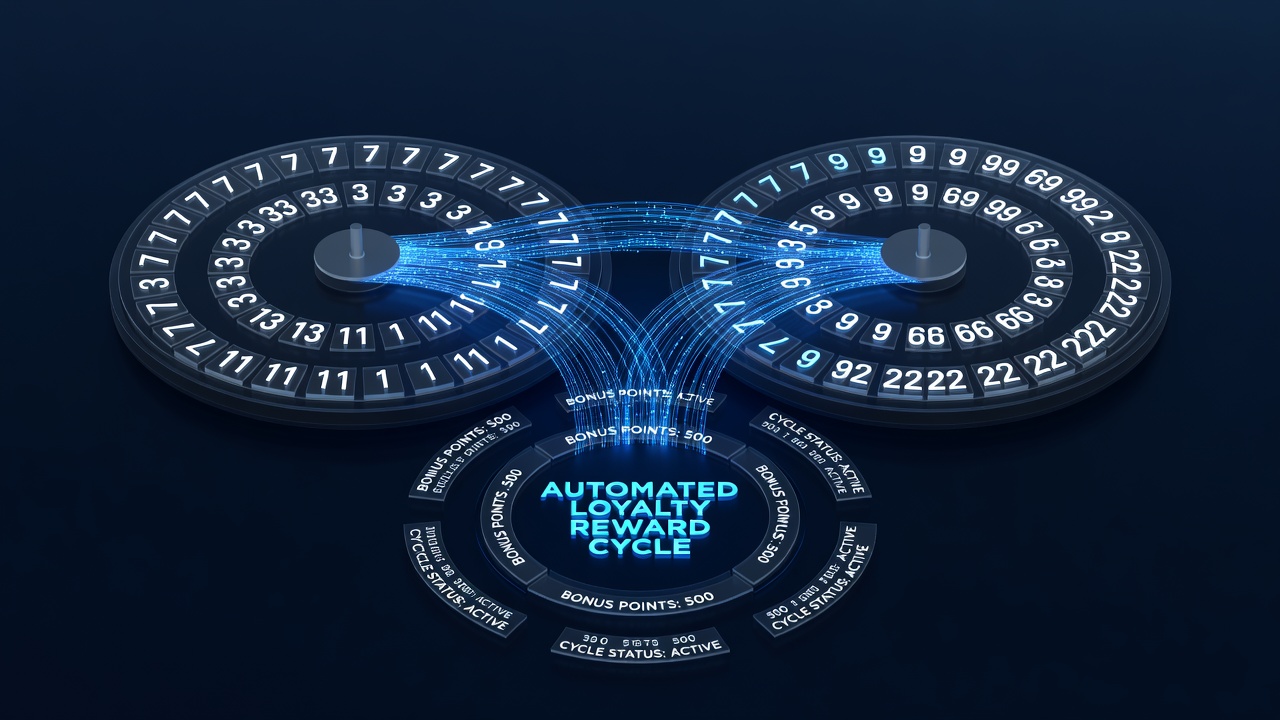
Digital wheels in online gaming platforms rely on structured numerical arrangements where symmetrical clusters emerge as key organizational features, and these patterns connect directly to systems that manage automated loyalty rewards through algorithmic triggers. Operators design virtual wheels with balanced distributions that mirror traditional layouts yet adapt to software protocols, allowing clusters of numbers positioned opposite each other or grouped by mathematical symmetry to influence how reward cycles activate based on player interactions.
Core Mechanics of Digital Wheel Configurations
Digital wheels operate through random number generators that simulate physical rotation while maintaining fixed positional relationships among numbers, and symmetrical clusters form when values align in ways that create mirror-like or additive properties such as pairs summing to consistent totals. Researchers studying gaming software note that these arrangements appear consistently across platforms because they preserve fairness standards established by regulatory frameworks, while simultaneously providing data points that loyalty algorithms monitor during gameplay sessions. In June 2026 several providers rolled out updated wheel engines that refined cluster detection to align with new integration standards for reward distribution.
Patterns That Shape Reward Activation
Automated loyalty systems scan betting activity for occurrences within symmetrical clusters, and when players engage numbers that form these balanced groups the software logs frequency and sequence data to adjust point accrual rates or trigger bonus releases. Observers in the gaming technology sector report that cluster-based tracking allows platforms to automate personalized offers without manual oversight, since the underlying code recognizes when activity aligns with predefined symmetrical thresholds. This process connects wheel layout directly to reward pathways because the same numerical symmetry used for visual balance also serves as a metric for engagement scoring.
Integration With Broader Loyalty Frameworks
Platforms embed cluster recognition into larger customer retention programs where data from digital wheels feeds into centralized databases, and this linkage enables real-time adjustments to reward tiers based on how often users interact with specific symmetrical groupings. Industry reports indicate that such automation reduces processing delays while maintaining compliance with operational guidelines set by oversight bodies across multiple jurisdictions. Those examining system architecture find that the hidden connection operates through metadata tags attached to each wheel outcome, allowing loyalty engines to categorize results according to cluster membership rather than isolated number values.
Technical Implementation Across Platforms
Software developers incorporate cluster mapping during wheel generation phases so that symmetrical relationships remain constant even as visual themes change, and this stability supports consistent data collection for reward cycles that run continuously in the background. According to findings from the University of Nevada Las Vegas gaming research division, these mappings improve the precision of automated systems by providing repeatable reference points that algorithms use to predict and allocate incentives. Platforms in regions governed by the European Gaming Regulators Association have adopted similar approaches to ensure cross-border compatibility in loyalty mechanics.
Future Developments in Cluster-Based Tracking
Updates scheduled beyond June 2026 focus on expanding cluster definitions to include higher-order symmetries that incorporate multiple wheel revolutions, and developers test these enhancements to strengthen connections between wheel behavior and reward automation. Data from pilot programs shows that refined detection leads to more granular reward distribution without altering core probability structures, keeping systems aligned with existing fairness requirements while deepening the integration between numerical patterns and loyalty pathways. Observers note that continued refinement will likely standardize how symmetrical clusters function as universal triggers across diverse gaming environments.
Conclusion
Symmetrical number clusters on digital wheels serve as foundational elements that simultaneously maintain layout integrity and supply measurable inputs for automated loyalty reward cycles, creating operational links that platforms rely upon for efficient player management. These connections rest on technical design choices made during software development, and ongoing adjustments ensure the relationship between wheel symmetry and reward activation remains functional under evolving regulatory and technological conditions.