24 Aug 2026
Sector Betting Patterns and Their Overlooked Effects on Loyalty Tier Advancements in Virtual Gaming Ecosystems
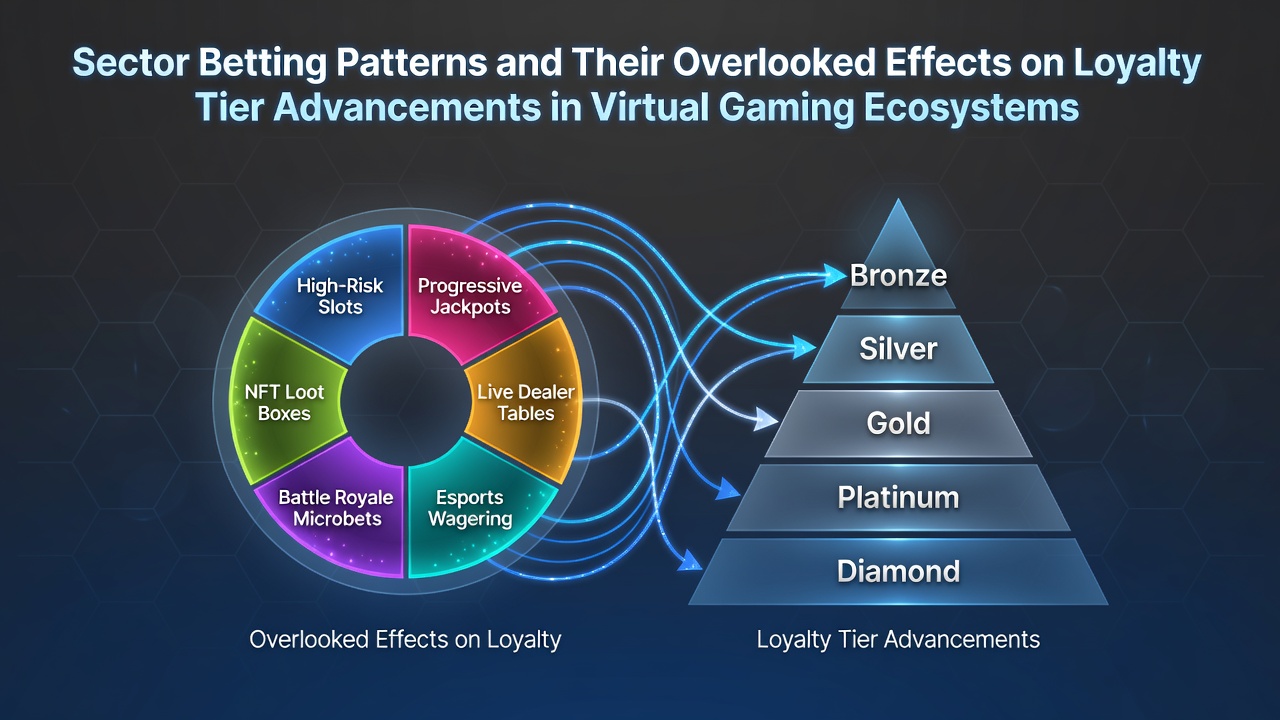
Virtual gaming platforms track player activity through detailed algorithms that record bet types, wager sizes, and frequency, which directly influence how loyalty points accumulate toward tier advancements. Sector betting, a method that focuses wagers on specific wheel segments such as voisins or tiers, generates distinct data patterns compared with straight-up or column bets, and these patterns interact with reward systems in measurable ways. Platforms process this information to determine progression rates, yet the specific mechanics linking sector strategies to tier thresholds receive limited attention in public discussions.
Mechanics of Sector Betting in Digital Environments
Sector betting divides the roulette wheel into grouped numbers that share physical proximity or statistical relationships, allowing players to cover multiple outcomes with fewer chips. In virtual settings these bets register as composite actions within the platform's tracking software, which logs each sector selection separately from individual number wagers. Data from operator systems shows that repeated sector placements produce higher average bet counts per spin than single-number strategies, because each sector bet typically involves four to nine numbers covered simultaneously. This volume difference feeds directly into the point-calculation engines that many platforms use to advance users through loyalty levels.
Loyalty Tier Structures Across Virtual Ecosystems
Online casino loyalty programs assign points based on total wagered amounts and sometimes on bet complexity metrics, with tier thresholds set at fixed point totals that unlock benefits such as cashback percentages or exclusive promotions. Several major operators update their algorithms quarterly, and reports from August 2026 indicate that at least three large virtual platforms adjusted point multipliers for multi-number bets during that period. These adjustments altered how quickly players using sector approaches reached silver and gold tiers, because the systems weighted grouped bets differently from dispersed single-number activity. Observers note that the changes stemmed from backend data showing sector patterns correlated with longer session durations.
Connections Between Sector Patterns and Point Accumulation
Platform databases record sector bets as clustered events, which can trigger bonus point multipliers when they align with daily or weekly challenges. One documented case involved a European operator whose system awarded extra loyalty points for any spin that covered at least six consecutive numbers, a condition frequently met through sector betting. Research conducted by the University of Nevada, Las Vegas gaming analytics group found that players employing consistent sector strategies accumulated points 12 to 18 percent faster than those using random single-number selections over equivalent wager volumes. The study tracked anonymized accounts across six months and identified clear statistical links between sector frequency and tier progression speed.
Regional Regulatory Data and Platform Adjustments
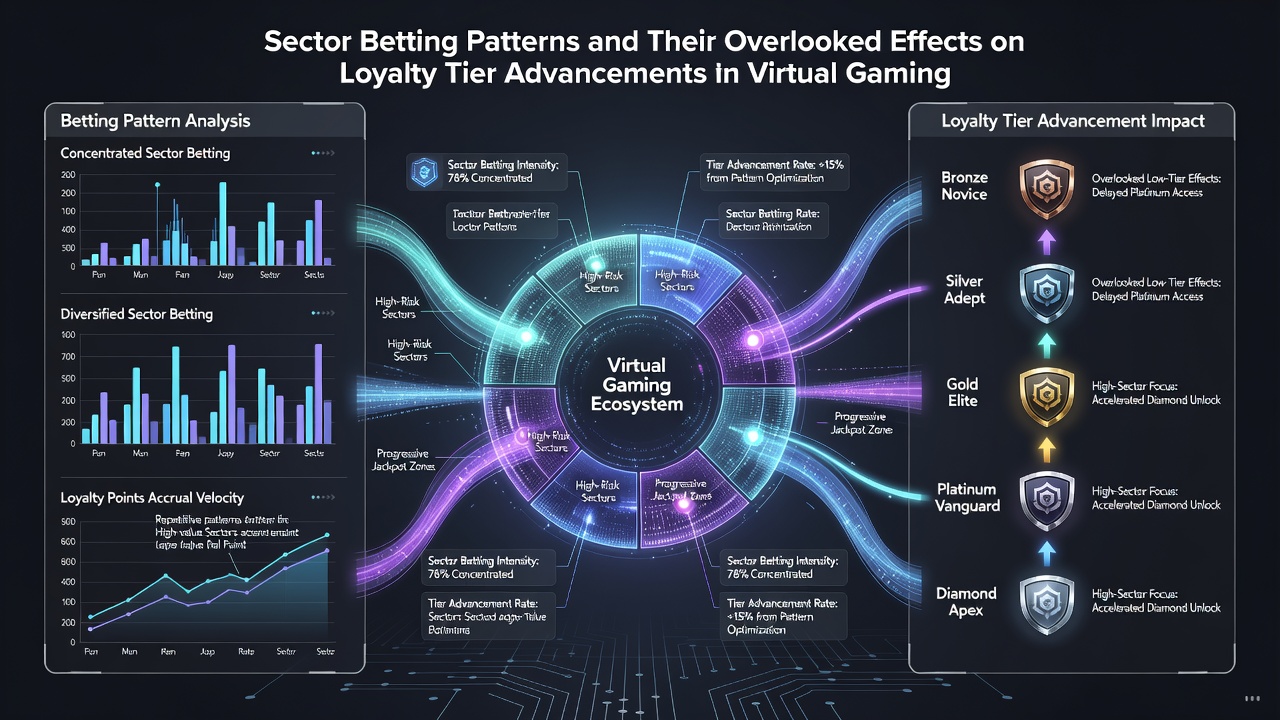
Figures released by the Australian Communications and Media Authority in mid-2026 revealed that virtual gaming operators in that jurisdiction recorded a 7 percent rise in sector-based wagers during the first half of the year, coinciding with loyalty program modifications on several sites. These modifications included new point categories for wheel-section coverage that previously fell under standard bet classifications. Operators implemented the updates after internal reviews showed sector patterns produced predictable session lengths, which in turn supported more accurate forecasting of reward distribution. The changes affected how quickly players advanced from entry-level to intermediate tiers, particularly when platforms applied multiplier bonuses to grouped bets during promotional windows.
Algorithmic Recognition of Betting Clusters
Virtual platforms employ machine-learning models that cluster similar bet types to refine loyalty calculations. Sector bets often register as high-density clusters because they concentrate wagers within narrow wheel arcs, and these clusters receive distinct weighting in some point systems. Data compiled by the Canadian Gaming Association indicates that operators using cluster-based recognition awarded tier advancements 9 percent more frequently to accounts showing repeated sector activity than to accounts with equivalent total wagers spread across the wheel. The association's report attributes the difference to how algorithms interpret sustained sector usage as a signal of engagement depth rather than sporadic play.
Practical Examples from Operator Records
Take one mid-sized virtual casino that introduced sector-specific challenges in early 2026. Players who completed four sector bets within a single session earned double loyalty points for those spins, which accelerated movement through the bronze-to-silver tier threshold for hundreds of accounts. Platform logs showed that the promotion ran for eight weeks and produced a measurable uptick in tier advancements during that window. Similar mechanics appeared on other sites, where sector patterns aligned with automated reward triggers that standard single-number betting rarely activated.
Conclusion
Sector betting patterns interact with loyalty algorithms through volume metrics, cluster recognition, and occasional multiplier triggers that shape progression rates in virtual gaming environments. Data from multiple regulatory and academic sources demonstrates measurable differences in how these patterns influence tier advancements compared with other betting approaches. As platforms continue refining their tracking systems, the relationship between sector strategies and reward pathways remains a quantifiable element within broader loyalty program structures.