22 Jun 2026
Roulette Red-Black Sequences and Casino Loyalty Tier Unlocks
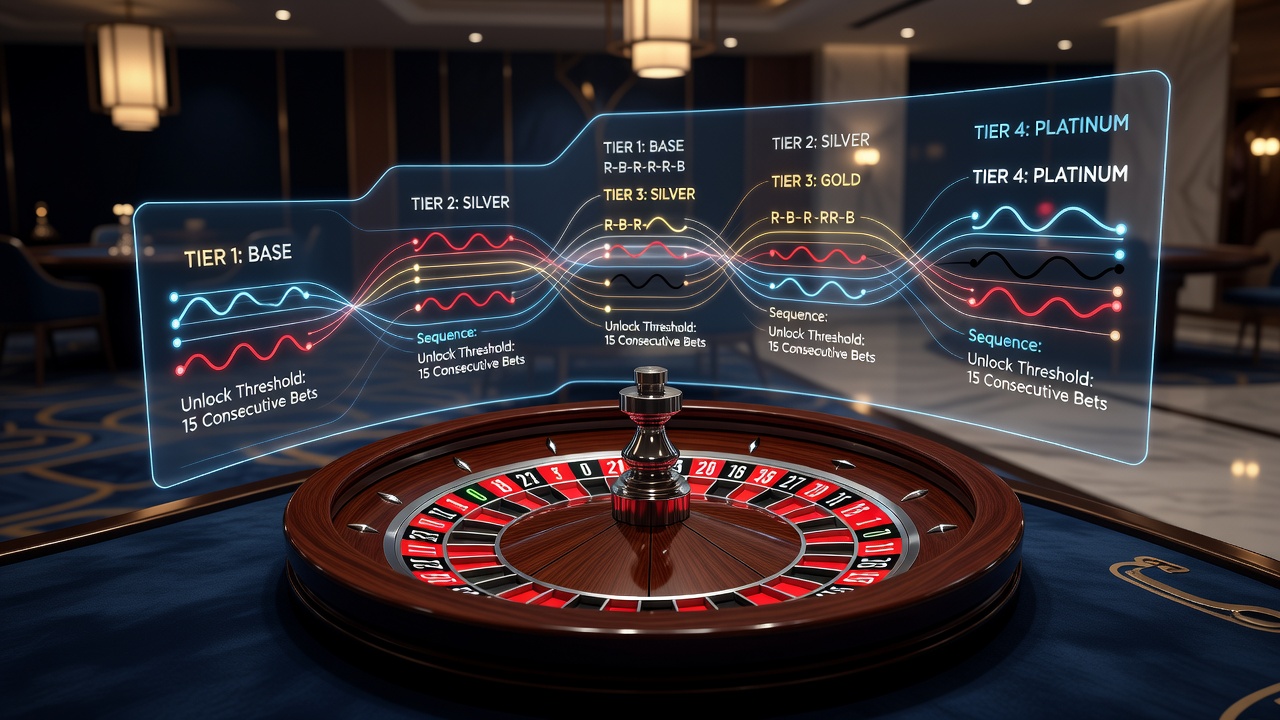 Roulette red-black betting forms one of the most consistent patterns tracked across casino floors and digital platforms, where sequences of consecutive colors emerge during extended play sessions and tie directly into loyalty program mechanics through volume-based progression systems. Observers note that each spin registers independently yet contributes to cumulative data points that loyalty algorithms monitor for tier advancement, since red-black wagers often represent the majority of table activity in both land-based and online environments. Casinos structure loyalty tiers around metrics like total handle, time on device, and bet frequency, with red-black sequences playing a measurable role because players frequently extend sessions when streaks appear. Data from the Nevada Gaming Control Board shows that color-specific betting accounts for over 60 percent of roulette handle in major properties, creating traceable patterns that feed into player rewards databases.
Sequence Tracking in Player Analytics
Modern loyalty platforms log every outcome, so a run of five or six blacks in a row registers as increased engagement rather than random variance. Analysts at research institutions such as the Australian Gambling Research Centre have documented how these runs correlate with longer dwell times, which in turn accelerate points accumulation toward silver, gold, or platinum status. The mechanism works because systems award tier points per dollar wagered, and red-black bets typically carry lower minimums that encourage sustained play across multiple spins.
Operators integrate sequence data with behavioral triggers, where prolonged color streaks prompt targeted offers like bonus spins or tier multipliers. These promotions appear automatically once internal thresholds are crossed, linking the statistical distribution of red and black results to reward delivery without requiring manual intervention from floor staff.
Regional Variations in Loyalty Integration
In North American tribal casinos, loyalty programs often combine roulette data with slot and table game metrics to determine annual tier resets. Figures from the National Indian Gaming Commission indicate that properties in Oklahoma and California recorded measurable upticks in tier upgrades during periods of elevated roulette volume, particularly when red-black sequences sustained player interest through peak hours. European markets follow similar models, though with stricter data privacy rules that still permit anonymized pattern analysis for reward calibration.
Canadian provincial regulators, including those overseeing Ontario gaming sites, require transparent reporting on how play patterns influence comps. Reports compiled through 2025 demonstrate that color-sequence tracking contributes to predictive models used for personalized tier invitations, allowing operators to forecast when a player approaches the next qualification level based on historical red-black activity.

Digital Platform Mechanics
Online casinos extend the same principles through live dealer streams and RNG tables, where every red or black result updates both the game log and the player's loyalty ledger simultaneously. June 2026 updates to several major platforms introduced real-time tier progress bars that display how consecutive color outcomes contribute to weekly qualification targets. These interfaces highlight the direct pathway from sequence-driven betting to reward unlocks, giving players visible feedback on their accumulation rate.
Industry reports from the European Gaming and Betting Association note that integrated tracking systems now incorporate streak-length variables into bonus eligibility calculations. A player hitting an extended red sequence may receive an automatic reload bonus once the run exceeds a programmed threshold, accelerating movement between bronze and silver tiers without separate promotional codes.
Behavioral Data and Tier Acceleration
Player tracking systems record not only outcomes but also bet sizing during sequences, revealing that many participants increase wagers after three or more consecutive colors. This escalation directly multiplies points earned per spin, shortening the timeline to tier advancement. Research compiled by the University of Nevada, Las Vegas International Gaming Institute shows correlations between streak length and average bet size across thousands of documented sessions, confirming the operational link between roulette patterns and loyalty progression.
Casino operators adjust marketing calendars around these observations, timing tier-reset promotions to coincide with expected high-volume periods. When red-black sequences dominate table traffic, the resulting data spikes trigger automated offers that retain players at higher tiers for subsequent months.
Conclusion
Roulette red-black sequences therefore function as both game outcomes and data inputs within casino loyalty architectures. The statistical regularity of color runs supplies measurable activity that loyalty engines convert into tier points, bonus triggers, and personalized incentives across multiple jurisdictions. As platforms continue refining these connections through 2026, the relationship between sequence tracking and reward delivery remains a core operational feature rather than an incidental byproduct of play.