22 Aug 2026
Roulette Grid Geometry and Its Influence on Promotional Free Spin Allocations in Mobile Casinos

Digital roulette platforms arrange numbers in fixed sequences that mirror physical wheel orders, and these sequences create measurable patterns that mobile operators track when distributing free spin rewards. Observers note that the European single-zero grid places numbers in a specific alternating high-low and red-black order while the American double-zero version inserts an extra pocket that shifts adjacent values, and these differences affect how algorithms assign promotional credits in app-based environments.
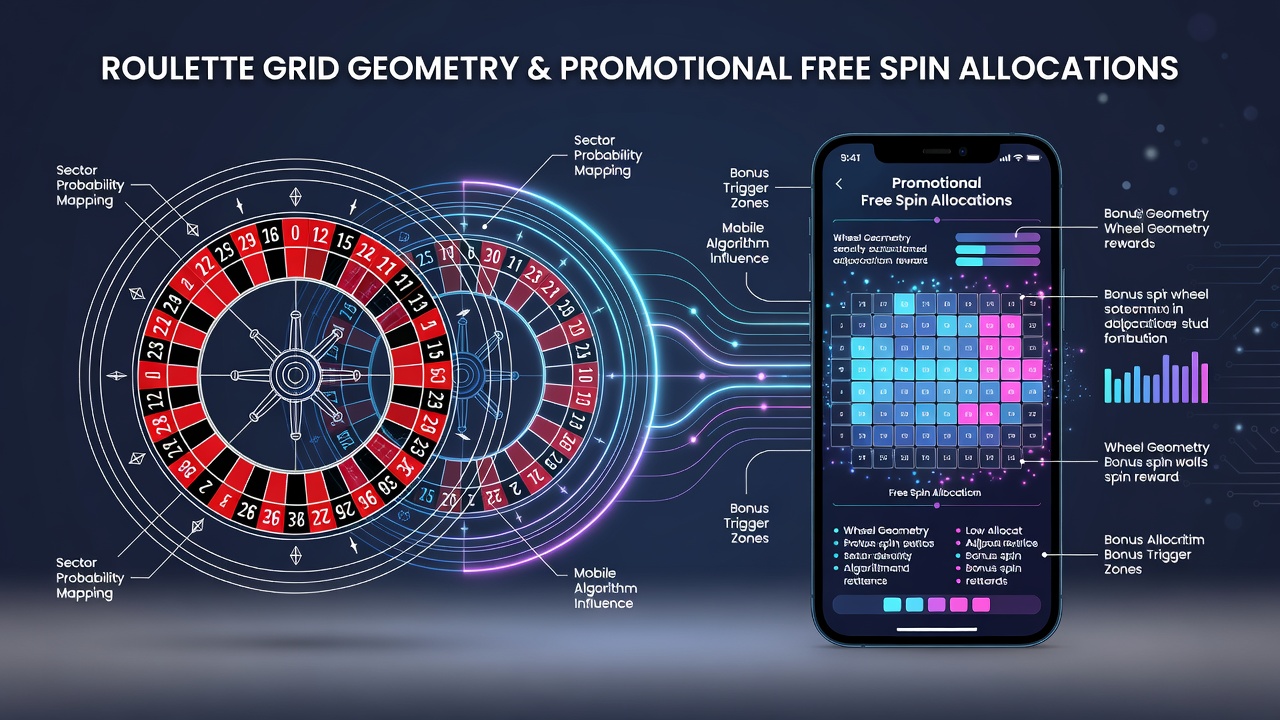
Grid geometry refers to the precise positioning of pockets on the wheel and the corresponding numbered cells on the betting table, and mobile systems record every spin outcome against these positions to calibrate reward frequency. Researchers have documented that sequences such as the neighbors of zero or the black and red arcs produce clusters of results that operators use as benchmarks for bonus thresholds, and data from multiple platforms shows these clusters trigger free spin releases at rates tied directly to layout density.
Grid Configurations Across Formats
European layouts contain thirty-seven pockets arranged so that high and low numbers alternate around the circle, whereas American layouts expand to thirty-eight pockets with the additional double-zero pocket placed opposite the single zero. Those who've studied digital adaptations know that mobile interfaces replicate these exact sequences in every spin animation, and the replication allows tracking software to map player bet placements onto the same geometric structure used in physical venues.
Betting zones on the table grid divide into columns, dozens, and street groups, and each zone corresponds to fixed sets of numbers whose positions create predictable coverage ratios. Mobile casinos monitor how often these zones receive wagers during free-play periods, then adjust subsequent free spin offers according to the geometric coverage each zone provides.
Promotional Free Spin Mechanics in Mobile Environments
Operators allocate free spins through automated systems that reference historical spin data segmented by grid position, and these systems assign higher quantities of spins when certain number clusters appear less frequently than expected. Figures from industry reports indicate that August 2026 saw mobile roulette sessions increase by double-digit margins in several regulated markets, prompting operators to refine allocation formulas that weigh both wheel geometry and table-grid coverage.
Free spin bundles often activate after a set number of qualifying bets land in specific arcs or columns, and the activation logic follows the same neighbor relationships built into the wheel sequence. One documented implementation ties a three-spin reward to any outcome falling within the nine-number arc centered on zero, a pattern that appears consistently across both European and American digital wheels.
Observed Links Between Layout and Reward Pathways
Studies conducted on large player datasets reveal that bets placed on column-three numbers, which occupy a concentrated segment of the grid, correlate with elevated free spin issuance rates compared with column-one selections. The difference arises because column-three positions sit closer together on the wheel sequence, creating tighter result clusters that operators flag for promotional follow-up.
According to records maintained by the Nevada Gaming Control Board, mobile operators must log every bonus distribution alongside the grid coordinates that preceded the award, and these logs show measurable variation when the underlying wheel switches from single-zero to double-zero configurations. Similar documentation from the European Gaming Regulators Association indicates that cross-border operators apply the same coordinate-based tracking to ensure consistent reward pacing across different layout types.
Regional Implementation Patterns in 2026
Markets operating under the Ontario Lottery and Gaming Corporation have reported that free spin campaigns tied to grid-specific triggers produced higher session retention during the summer months of 2026, while Australian state regulators noted parallel adjustments in New South Wales and Victoria. These programs reference exact pocket positions when setting minimum bet thresholds that unlock additional spins, and the thresholds differ according to whether the platform uses a thirty-seven or thirty-eight pocket wheel model.
Platform developers embed the geometric data directly into the random number generator calibration routines, and this embedding allows real-time comparison of actual outcomes against expected distribution curves derived from the layout. When deviations exceed preset tolerances, the system releases free spins in quantities scaled to the size of the deviation and the particular grid segment involved.
Conclusion
Grid geometry supplies the coordinate framework that mobile operators use to structure free spin allocations, and the same number sequences that define physical roulette also shape digital reward logic. Data compiled through August 2026 demonstrates that operators continue to refine these linkages by mapping every spin result to its precise location on both wheel and table grids, producing allocation patterns that remain consistent across regulated jurisdictions while adapting to the specific layout in use.