Roulette Chip Color Coding and Its Unexpected Links to Achievement Milestone Triggers in App-Based Gaming Platforms
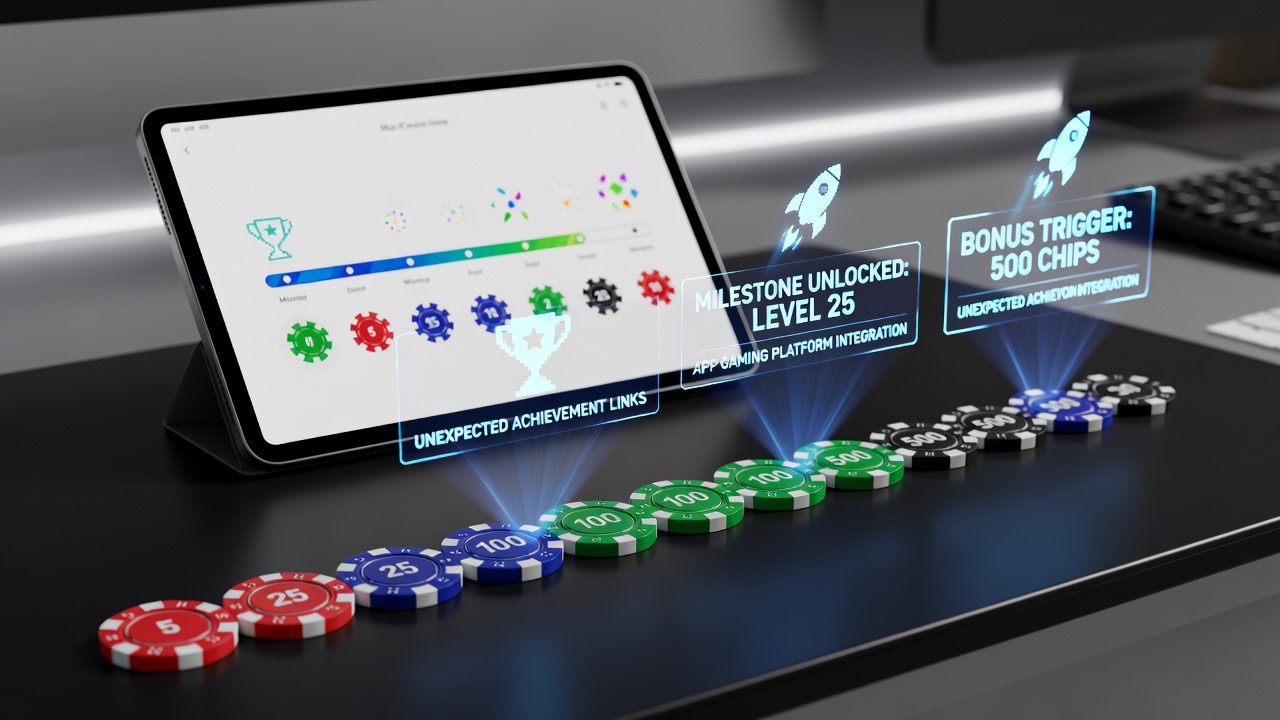
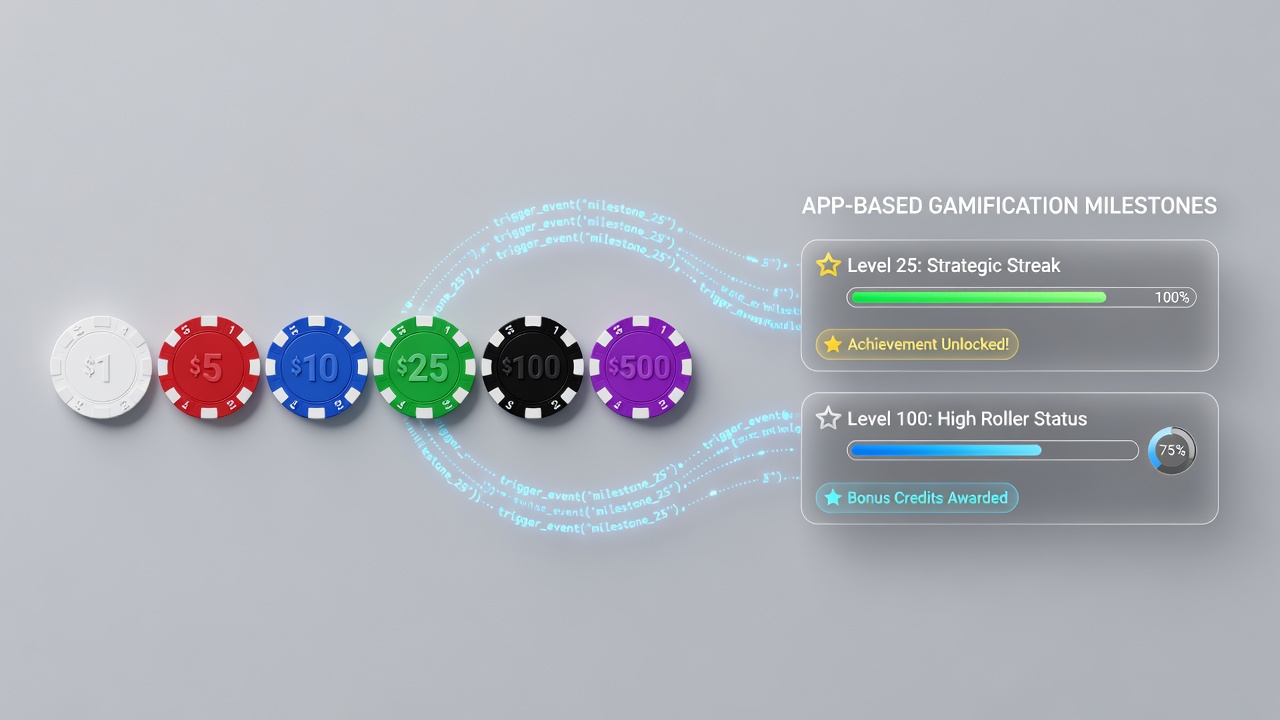
Standard roulette chip colors follow established patterns across many land-based casinos where white typically represents one dollar, red stands for five dollars, blue indicates ten dollars, and green marks twenty-five dollars while black often signals one hundred dollars. These conventions emerged decades ago to speed up play and reduce errors at crowded tables. Observers note that the visual hierarchy created by these colors helps dealers and players track bets quickly during fast-paced rounds.
Chip Color Standards Across Regions
Data from gaming regulators shows that while core colors remain consistent, some variations appear by jurisdiction and casino group. Nevada properties tend to stick closely to the white-red-blue-green-black sequence, whereas certain European venues incorporate additional hues like yellow for higher denominations. Researchers at institutions tracking casino operations have documented how these color systems reduce transaction times by up to thirty percent during peak hours according to internal floor reports shared with industry groups.
App developers began noticing these patterns when designing digital interfaces for mobile roulette titles. Many platforms adopted similar palettes to represent virtual chip stacks, creating immediate familiarity for users transitioning from physical tables. This choice proved effective because players already associate certain colors with specific values, which in turn influences how achievement systems display progress bars and reward tiers.
Digital Milestone Systems Borrow Visual Cues
Achievement milestones in app-based gaming platforms often rely on color progression to signal advancement. Green indicators might mark entry-level rewards, blue signals mid-tier progress, and gold or black highlights unlock premium features. Studies from digital behavior labs indicate that these color sequences mirror physical chip hierarchies, triggering similar anticipation responses when users complete tasks such as spinning a set number of times or reaching daily login streaks.
One study revealed that platforms using graduated chip-inspired colors saw higher retention rates in the first thirty days compared with apps employing uniform color schemes. The connection appears strongest when virtual chips change color upon reaching thresholds, much like stacking physical chips at a roulette table. Figures from North American iGaming reports released in July 2026 showed continued growth in this design approach across multiple operators.
Psychological Links and Reward Pathways
Those who study player engagement observe that color-coded milestones activate recognition pathways similar to those engaged when handling real chips. A player completing a challenge may see their progress indicator shift from red to blue, echoing the moment a stack increases in value on a physical layout. This parallel becomes more pronounced in apps that allow users to cash out virtual chips for bonuses once certain color thresholds are met.
Regulatory bodies including the Nevada Gaming Control Board have noted rising interest in how visual design elements affect reward mechanics, though oversight remains focused on fairness rather than interface psychology. Meanwhile, the Malta Gaming Authority has examined comparable systems in European markets where color progression ties directly into bonus activation sequences. Industry reports from the American Gaming Association highlight that operators increasingly integrate these visual triggers to maintain engagement without altering core game mathematics.
Case Examples from Current Platforms
Take one platform that introduced a roulette variant where virtual chips shift from white to red upon hitting the first milestone, then progress through blue and green as players accumulate spins or wins. Users who reached the green tier received access to exclusive live dealer tables, a mechanic that mirrors how higher denomination chips grant entry to premium sections in some land-based venues. Another app layered milestone rewards around color changes that coincide with daily challenges, producing measurable increases in session length according to aggregated usage data.
What's interesting is how these systems extend beyond simple progress bars. Some applications now embed chip color changes within social features, where friends can view each other's virtual stacks and compare milestone achievements. This social layer adds another dimension because the familiar color sequence makes progress instantly readable across different user groups.
Future Developments in July 2026 and Beyond
Updates released around July 2026 introduced new color variants tied to seasonal events, allowing apps to refresh milestone visuals while preserving the underlying value associations. Developers continue testing whether expanding the palette to include purple or orange creates additional engagement layers without confusing players accustomed to traditional sequences. Research continues into how these color triggers interact with other game elements such as sound cues and animation timing.
Conclusion
The relationship between roulette chip color coding and digital achievement milestones rests on established visual conventions that operators have adapted for mobile environments. Data indicates that platforms leveraging these familiar progressions achieve stronger user recognition and continued play patterns. As regulatory frameworks evolve across regions, the integration of color-based triggers will likely remain a key area of focus for both designers and oversight bodies seeking to balance engagement with responsible mechanics.