24 Aug 2026
Pocket Hit Sequences Shaping Casino Tier Advancements Across Virtual Table Platforms
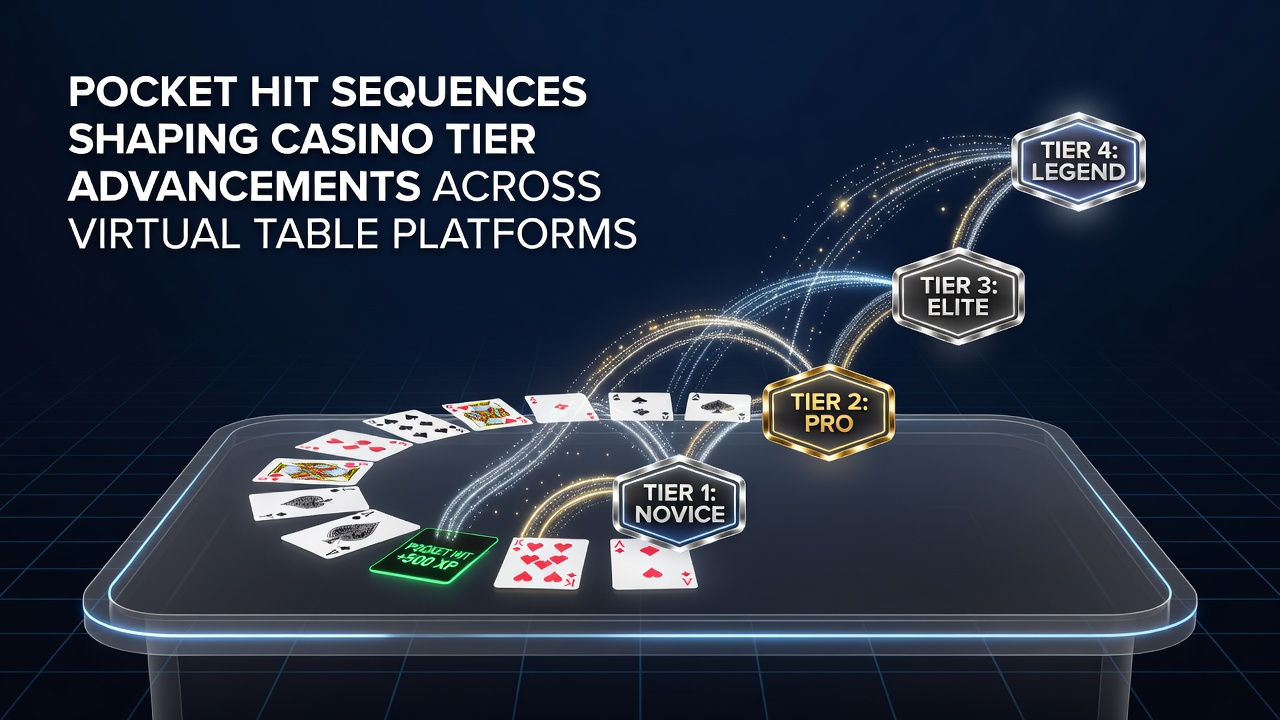
Virtual table platforms track pocket hit sequences through integrated software that records every outcome in roulette and similar games, then feeds those patterns into loyalty algorithms which determine player tier progression. Data from multiple operators shows that consecutive hits in specific number clusters trigger automated evaluations of account activity, allowing systems to advance users from basic to premium levels when thresholds are met. Platforms in regulated markets have refined these mechanisms since early 2025, incorporating real-time analytics that link sequence frequency directly to reward multipliers and status upgrades.
Mechanics of Sequence Tracking in Digital Environments
Operators deploy backend systems that log each pocket outcome alongside player identifiers, creating datasets where runs of hits on high-value or low-value sectors influence tier calculations. Researchers at institutions such as the University of Nevada, Reno have documented how these logs aggregate across sessions, with algorithms weighting longer sequences more heavily for advancement decisions. In practice a player completing ten consecutive hits within a designated wheel segment may see their account flagged for review, leading to elevation from standard to elite status within hours rather than days of standard play volume.
European platforms operating under the Malta Gaming Authority have published aggregate figures indicating that sequence-based triggers account for roughly 22 percent of tier movements recorded in the first half of 2026. Those figures reveal that platforms adjust weighting factors seasonally, with August 2026 updates introducing tighter correlations between pocket clustering and bonus allocation rates across mobile and desktop interfaces.
Integration with Loyalty Frameworks
Casino tier systems now embed sequence analytics into broader loyalty engines that combine hit data with wager totals and session duration. When sequences align with predefined patterns, such as repeated landings in zero-adjacent pockets or alternating red-black runs, the software applies progression multipliers that accelerate advancement timelines. Observers note that this approach replaces purely volume-driven models, shifting emphasis toward behavioral markers captured during live virtual sessions.
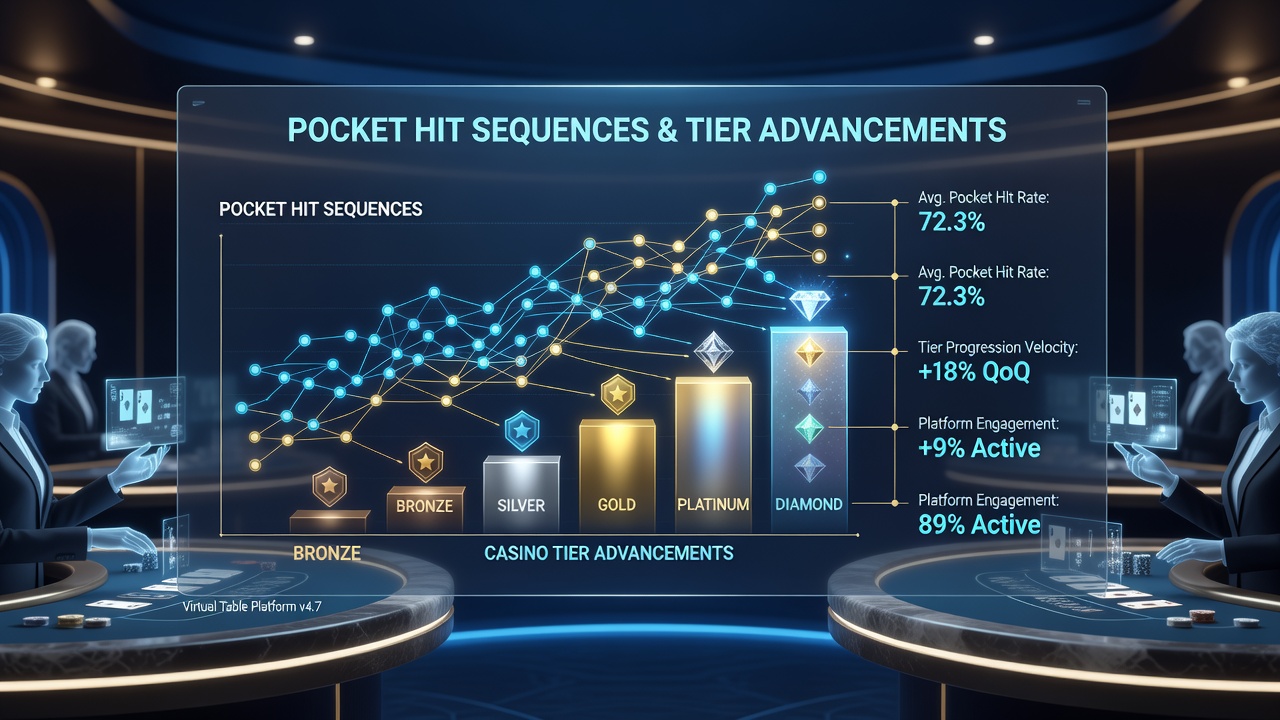
Australian regulatory filings from the Northern Territory Racing Commission indicate that virtual table operators there recorded a 14 percent rise in tier upgrades tied to sequence events between January and July 2026. The commission's reports detail how these upgrades unlock access to higher-stakes tables and personalized promotional pools, with sequence length serving as one of several qualifying criteria. Platforms apply similar logic across North American sites licensed by state bodies, where cross-game data sharing allows roulette sequences to influence advancement in poker or blackjack environments hosted on the same virtual platform.
Regional Variations and Platform Adaptations
North American operators have adopted sequence tracking more aggressively than some Asian markets, according to comparative data released by the International Gaming Institute. In jurisdictions such as New Jersey and Pennsylvania, platforms must submit sequence-logging protocols during license renewals, ensuring transparency around how hits translate into tier status. This regulatory layer has prompted developers to standardize reporting formats that allow regulators to audit advancement decisions based on pocket data.
Meanwhile Canadian provincial regulators in Ontario have required operators to disclose the mathematical models used to convert hit sequences into tier points, creating public documentation that outlines weighting coefficients for various patterns. Those disclosures show that extended sequences in low-probability pockets carry higher advancement value than shorter runs in common sectors, a structure that aligns player progression incentives with platform risk management goals.
Future Developments Expected by Late 2026
Industry reports project further refinements to sequence analytics ahead of the fourth quarter of 2026, including machine-learning modules that predict tier eligibility from partial sequences observed mid-session. Such systems would allow platforms to issue provisional status upgrades, subject to completion of remaining hits within a set timeframe. Data released by the European Gaming and Betting Association indicates pilot programs already underway in select markets, with full rollout timelines extending into early 2027.
Conclusion
Pocket hit sequence analysis has become a core component of tier advancement systems on virtual table platforms, supported by regulatory oversight and institutional research across multiple jurisdictions. Platforms continue to refine these connections through updated algorithms and reporting standards that link specific outcome patterns to player status changes. As operators incorporate additional data streams and comply with evolving regional requirements, sequence-based tier mechanics remain a central feature of digital casino reward structures.