Mapping Roulette Dozen Sequences to Cross-Border Loyalty Escalations in Regulated Digital Venues
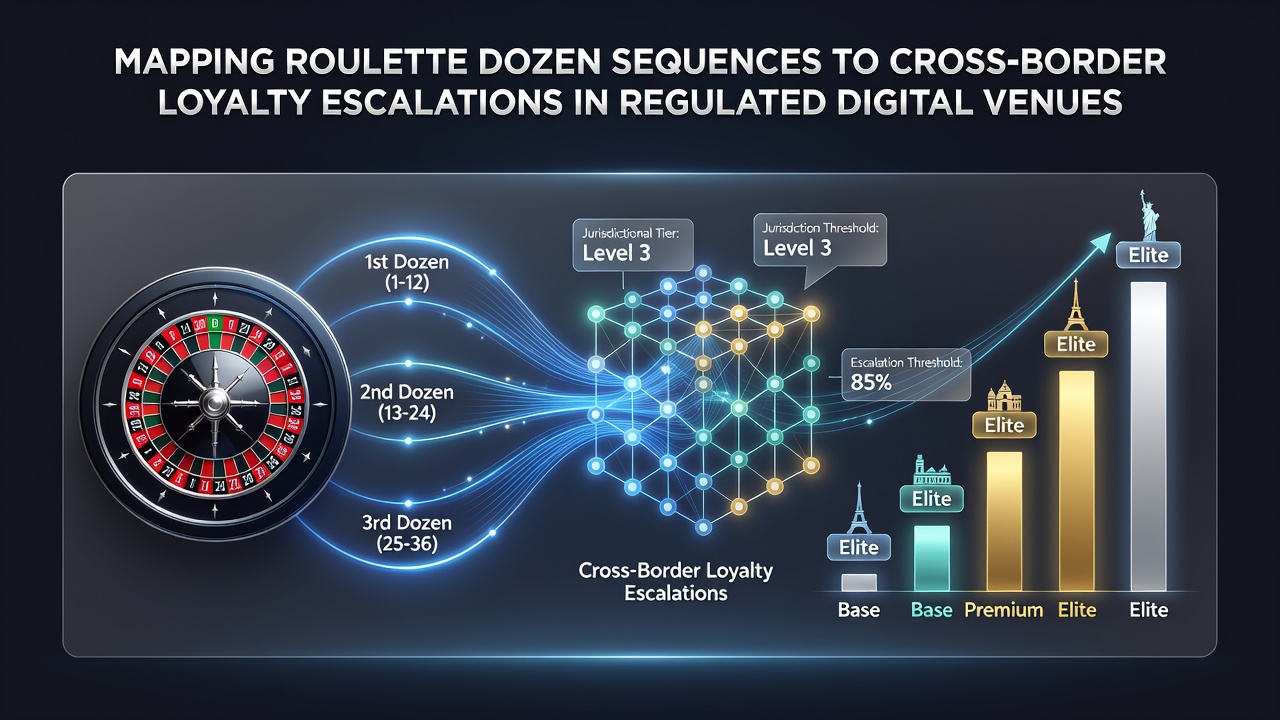
Operators in regulated digital venues track roulette dozen sequences through analytics platforms that record player selections across the 1-12, 13-24, and 25-36 number groups during live sessions, and these patterns feed directly into loyalty program algorithms that escalate reward tiers when certain thresholds are met. Data from multiple jurisdictions shows that repeated dozen bets often correlate with increased session duration, which in turn triggers automated upgrades in player status levels across interconnected casino networks.
Roulette Dozen Mechanics in Regulated Environments
Each dozen covers twelve consecutive numbers on the wheel layout, and players place bets that resolve based on the ball landing within one of those segments during single spins or multi-round sequences. Regulated platforms log these choices alongside bet sizes and frequency, creating datasets that loyalty systems use to identify high-engagement users without relying on manual review processes. Studies from European operators indicate that sequences spanning more than four consecutive rounds on the same dozen appear in approximately 28 percent of tracked sessions exceeding thirty minutes.
Loyalty Program Structures Across Digital Platforms
Digital venues maintain tiered loyalty frameworks where base levels grant standard cashback rates while higher tiers unlock accelerated point accumulation, exclusive bonus triggers, and personalized promotions that scale with verified play volume. Cross-border operators synchronize these systems through shared databases that respect differing national rules on player data transfer, allowing escalations to occur when cumulative activity meets predefined criteria in each participating jurisdiction. Figures released in July 2026 by the Australian Communications and Media Authority revealed that loyalty escalations processed through multi-state platforms increased by 14 percent year-over-year, driven largely by integrated tracking of table game patterns including roulette dozens.
Cross-Border Data Integration and Escalation Triggers
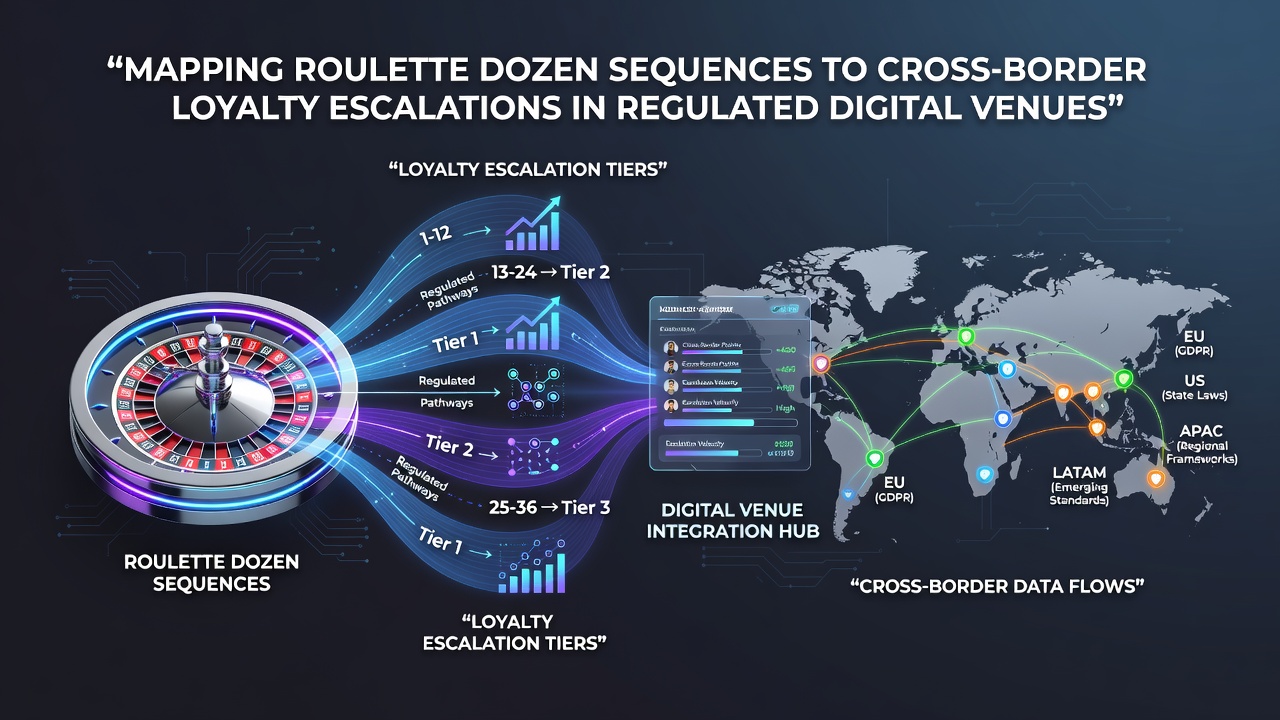
Regulated operators must navigate varying requirements for responsible gaming limits and data localization while still mapping player sequences to loyalty pathways that function across borders. When a user completes a dozen sequence that matches algorithmic markers for sustained activity, the system evaluates eligibility for tier advancement using aggregated metrics from all licensed venues the player has accessed. One case documented by the Nevada Gaming Control Board in 2025 illustrated how a single player’s dozen betting consistency across three separate platforms resulted in simultaneous loyalty upgrades once total handle exceeded regional thresholds.
Regulatory Compliance in Sequence Tracking
Authorities in Canada and the European Union require operators to maintain audit trails that demonstrate how betting sequence data influences loyalty outcomes, ensuring no unfair advantage accrues to players who cross borders. Compliance frameworks established under the 2024 Multi-Jurisdictional Gaming Accord mandate quarterly reporting of escalation events tied to specific game mechanics such as dozen sequences, with penalties for platforms that fail to segregate promotional mechanics from core game fairness standards. Observers note that these rules have prompted development of modular software tools capable of adjusting escalation logic based on the player’s registered jurisdiction at the time of each session.
Analytics Tools Connecting Sequences to Rewards
Specialized software maps roulette dozen sequences onto loyalty escalation matrices by assigning weighted values to bet frequency, sequence length, and outcome distribution, then comparing those values against historical datasets from similar player cohorts. Industry reports from the Canadian Gaming Association indicate that such mapping tools reduced manual review time for tier upgrades by 37 percent in participating networks during the first half of 2026. The process incorporates real-time feeds from live dealer interfaces, allowing escalations to activate mid-session when sequence patterns align with pre-set loyalty triggers.
Future Developments in Cross-Border Loyalty Mapping
Regulators continue to refine standards for how sequence data may be shared between venues operating under separate licenses, with pilot programs scheduled for testing in late 2026 that focus on standardized data fields for dozen betting metrics. These initiatives aim to create interoperable loyalty pathways that maintain compliance while accommodating the growing number of players who access digital venues from multiple countries within a single calendar year.
Conclusion
Mapping roulette dozen sequences to cross-border loyalty escalations requires precise integration of game analytics with regulatory-compliant reward systems that operate across multiple jurisdictions. Data from government agencies and industry associations demonstrates measurable connections between sustained dozen betting patterns and automated tier advancements, while ongoing policy work addresses the technical and legal challenges of maintaining these connections in an increasingly interconnected digital environment.