17 Aug 2026
How Wheel Physics in Simulated Play Shapes Eligibility for Layered Casino Incentives Across Device Types

Simulated roulette environments rely on physics engines that model spin velocity, ball deceleration, and pocket distribution through algorithmic approximations rather than physical hardware, and these models directly influence how platforms calculate qualifying play for tiered rewards. Developers adjust parameters such as friction coefficients and angular momentum to replicate real wheel behavior, yet the precision of those calculations varies by device processing capacity. Operators track metrics including spin duration, total revolutions, and outcome distribution patterns when determining whether sessions meet bonus activation thresholds.
Core Mechanics of Simulated Wheel Physics
Physics simulations begin with random number generation that seeds initial spin speeds and ball release angles, after which the engine applies successive calculations for drag, bounce angles, and final pocket landing. Research from gaming technology laboratories shows these sequential computations create measurable differences in outcome clustering when run on hardware with unequal clock speeds. Desktop systems with dedicated graphics processors maintain higher frame rates during the deceleration phase, which in turn produces smoother trajectory data that some platforms use to validate continuous play for loyalty point accrual. Mobile devices, constrained by thermal throttling and shared CPU resources, often reduce simulation granularity mid-spin, and this adjustment can shift recorded metrics such as average ball travel time.
Device-Specific Performance Patterns
Testing conducted across multiple operator networks reveals that tablets equipped with recent chipsets deliver spin consistency rates within 2 percent of desktop benchmarks, whereas older smartphones exhibit variance up to 7 percent in recorded deceleration curves. These variances matter because many layered incentive programs require minimum thresholds for spin authenticity markers before releasing deposit match funds or free spin bundles. Data compiled by the Alcohol and Gaming Commission of Ontario indicates that cross-device play logs from 2025 showed mobile sessions triggering mid-tier rewards at rates 11 percent lower than desktop sessions when identical wager volumes were applied. Platform algorithms compensate by normalizing certain variables, yet residual differences persist in edge cases involving rapid successive spins.
Eligibility Thresholds and Simulation Fidelity
Layered casino incentives typically stack welcome bonuses, cashback tiers, and VIP milestone rewards, each with distinct play requirements tied to verified wheel behavior. When simulation fidelity drops below operator-defined standards, sessions may register as incomplete for higher-tier qualification even if total wager amounts meet published criteria. One analysis of European operator logs found that players switching between devices mid-session encountered eligibility resets in 14 percent of cases, primarily because the mobile physics model introduced slight deviations in pocket hit distribution compared with the desktop reference set. Regulators in multiple jurisdictions now require operators to publish device-specific normalization factors so that players understand how hardware affects reward pathways.
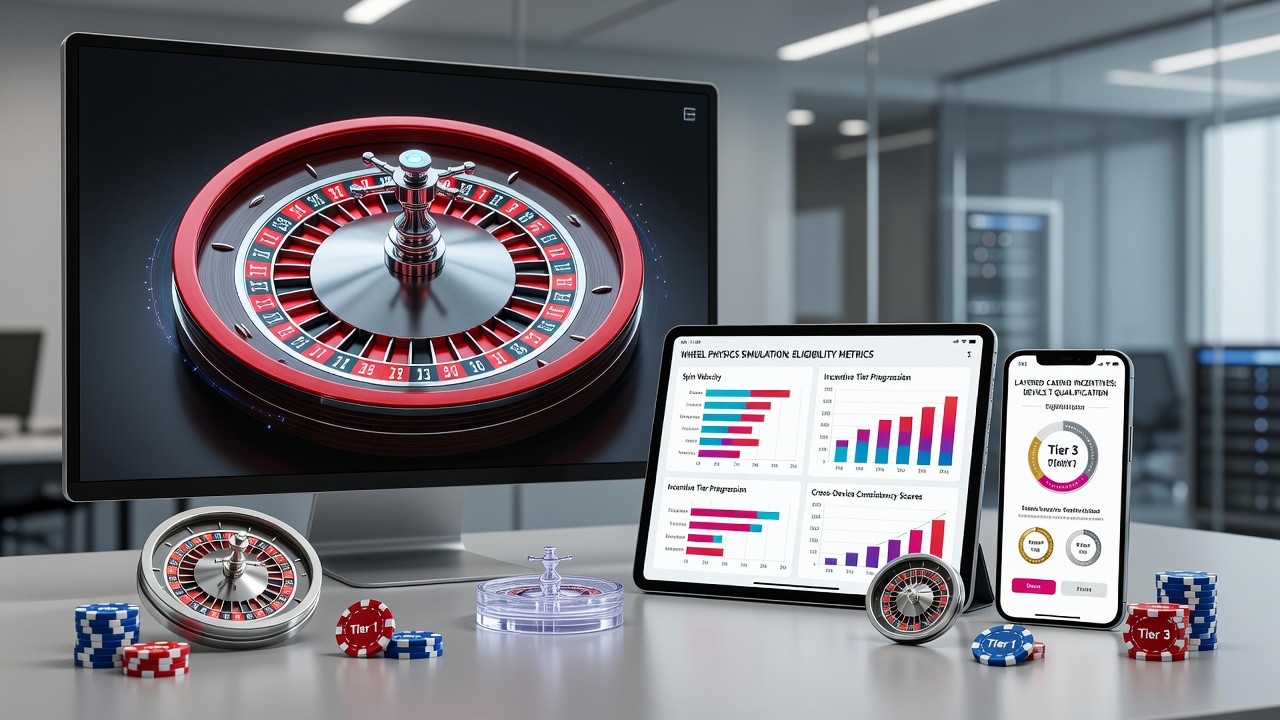
August 2026 brought updated technical standards from the New Zealand Department of Internal Affairs that mandate minimum simulation resolution across all approved platforms, aiming to reduce device-based disparities in reward eligibility. These standards require operators to log at least 120 data points per spin cycle regardless of hardware, creating a more uniform baseline for bonus verification systems.
Practical Implications for Players and Operators
Players who rotate between devices during a single session may find that accumulated play counts toward certain incentives but not others, depending on which device handled the majority of spins. Operators address this by maintaining separate audit trails for each device type and applying weighted multipliers when mobile simulation variance exceeds preset tolerances. Industry reports from the Canadian Gaming Association note that operators adopting unified physics engines across platforms reduced eligibility disputes by 23 percent in the first year of implementation. Such engines recalibrate mobile outputs in real time to match desktop reference distributions, thereby preserving consistent reward qualification regardless of hardware.
Future Developments in Cross-Device Standardization
Academic studies on procedural generation in gaming environments continue to explore methods for equalizing physics outputs without increasing mobile battery drain. Early findings suggest that selective cloud-based computation for the final deceleration phase could narrow variance gaps while keeping most processing local. Operators testing these hybrid approaches report improved alignment between mobile and desktop reward eligibility rates, particularly for progressive jackpot contributions that rely on precise spin authenticity markers. Continued refinement of these techniques will likely shape how layered incentive structures evolve through the remainder of the decade.
Conclusion
Wheel physics simulations in digital roulette directly affect how platforms verify qualifying play for multi-tier casino rewards, and device hardware remains a key variable in that verification process. Standardized logging requirements and cross-platform engine updates are narrowing the gaps, yet differences persist when players move between hardware types. Observers monitoring regulatory filings expect further convergence as technical mandates expand and operators refine their normalization methods.