Correlating Virtual Physics Engines with Incentive Layering Protocols Across Multi-Platform Table Game Networks
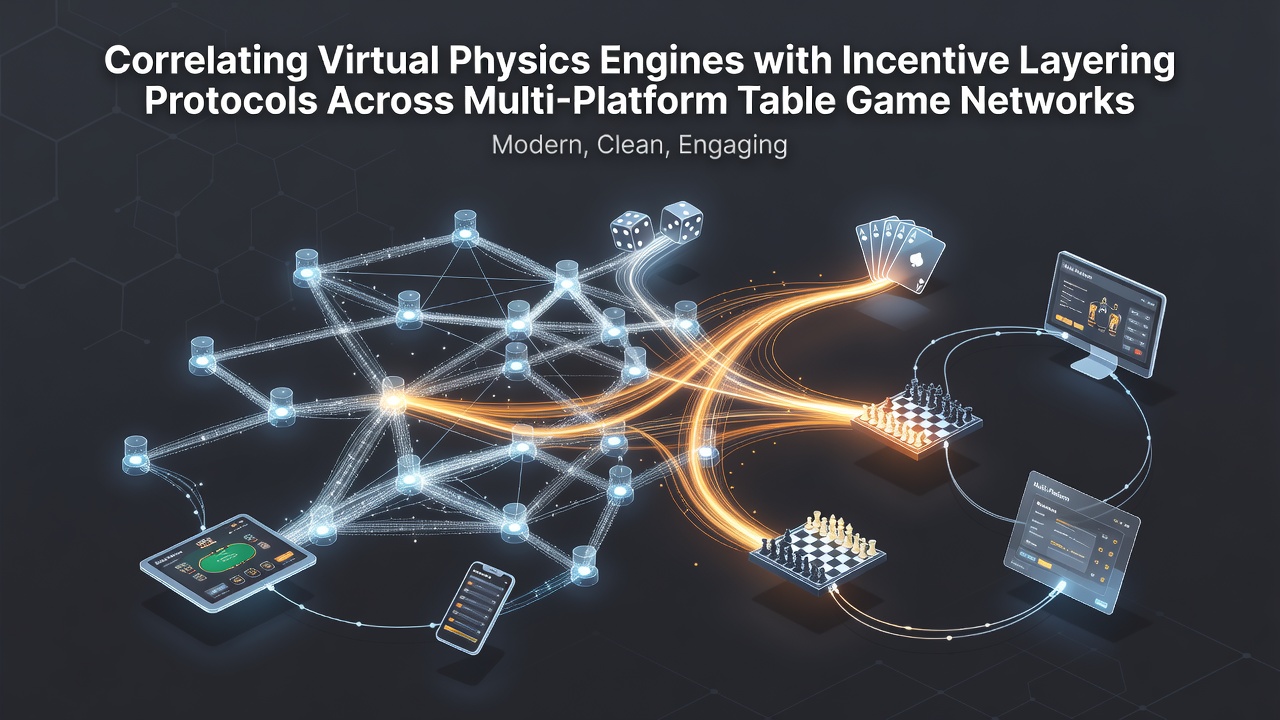
Virtual physics engines form the computational backbone for simulating realistic motion and interactions in digital table game environments while incentive layering protocols manage reward distribution across interconnected platforms. Researchers have mapped connections between these systems to optimize performance consistency and player progression tracking. Data from industry reports indicate that synchronized implementations appear in networks supporting poker, blackjack and similar titles where physics calculations influence outcome probabilities and reward triggers activate based on those same variables.
Core Components of Virtual Physics Engines in Table Games
Physics engines calculate trajectories, collisions and friction coefficients using algorithms derived from Newtonian mechanics. Developers integrate these engines into table game software to replicate physical elements such as ball bounces on roulette wheels or card shuffles in real time. Studies conducted by academic institutions show that engine accuracy directly affects perceived fairness metrics when platforms share user sessions across desktop, mobile and console interfaces. In July 2026 several network operators began testing updated engine versions that reduce latency during cross-device handoffs while preserving deterministic outcomes required for regulatory compliance.
Structure of Incentive Layering Protocols
Incentive layering protocols stack multiple reward mechanisms including progressive multipliers, achievement badges and platform-specific bonuses onto core gameplay loops. These protocols operate through centralized databases that record player actions and apply layered incentives according to predefined thresholds. Evidence from multi-platform deployments reveals that protocols often reference physics-derived variables such as spin velocity or card distribution patterns to determine eligibility for higher-tier rewards. Organizations including the Nevada Gaming Control Board have documented how such correlations maintain audit trails across distributed networks.
Methods for Establishing Correlations
Engineers correlate physics engines with incentive protocols by embedding shared data pipelines that pass simulation outputs directly into reward calculation modules. One approach involves tagging each physics event with metadata tags that trigger protocol evaluations in real time. Research papers from European technical universities describe graph-based models where nodes represent physics states and edges denote incentive activations. These models enable operators to adjust reward densities without altering underlying simulation code. Observers note that successful correlations reduce discrepancies in player progression rates when users migrate between platforms within the same network.
Implementation Across Multi-Platform Networks
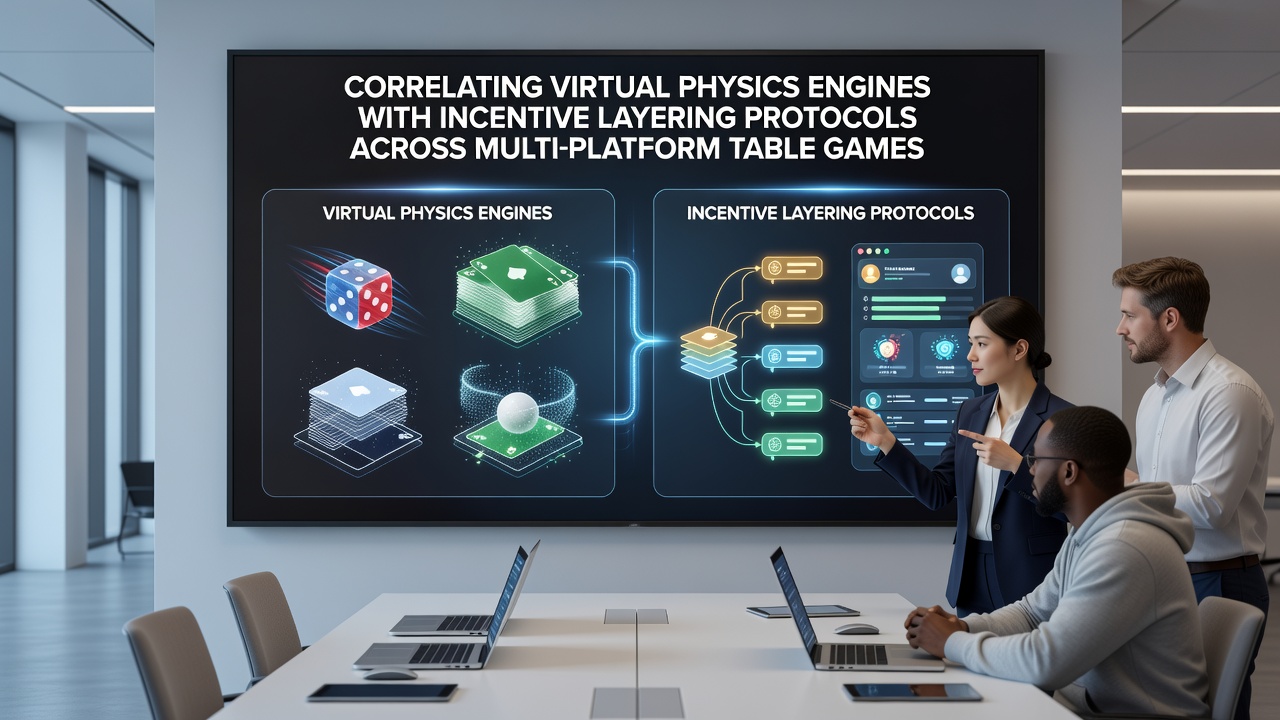
Multi-platform table game networks require synchronization standards that allow physics calculations performed on one device to inform incentive states on another. API frameworks handle the translation of engine variables into protocol instructions while preserving session continuity. Figures from 2025 deployments indicate that networks incorporating these correlations experienced measurable improvements in retention metrics during simultaneous play sessions. Canadian regulatory bodies have reviewed similar architectures and confirmed they meet data integrity requirements when incentive triggers depend on physics authenticity checks.
Technical Challenges and Observed Solutions
Latency variations between platforms create timing mismatches that can disrupt correlation accuracy. Solutions include predictive buffering techniques that anticipate physics outcomes and pre-calculate associated incentives. Industry analyses reveal that operators who adopted these buffers maintained consistent reward delivery even during network congestion events. Additional challenges arise from differing hardware capabilities yet standardized physics libraries mitigate most compatibility issues. Data shows that networks using unified engines report fewer validation errors during compliance audits.
Regulatory Considerations in 2026
Regulatory frameworks increasingly examine how physics fidelity influences incentive fairness across jurisdictions. In July 2026 updates to oversight guidelines in several regions emphasized the need for transparent mapping between simulation parameters and reward algorithms. Government agencies in Australia and parts of North America have requested documentation detailing these correlations during licensing renewals. Compliance teams now routinely test cross-platform scenarios to verify that incentive layering remains independent of device-specific physics variations.
Conclusion
Correlations between virtual physics engines and incentive layering protocols continue to shape technical standards for multi-platform table game networks. Integration methods rely on shared data structures that translate simulation events into reward decisions while meeting regulatory expectations. Ongoing developments through 2026 demonstrate measurable progress in maintaining consistency across devices and jurisdictions. Further refinements will likely focus on enhanced synchronization protocols and expanded validation procedures.