15 Jun 2026
Bet Placement Clusters and Their Hidden Role in Unlocking Tiered Player Incentives Across Digital Wheel Platforms
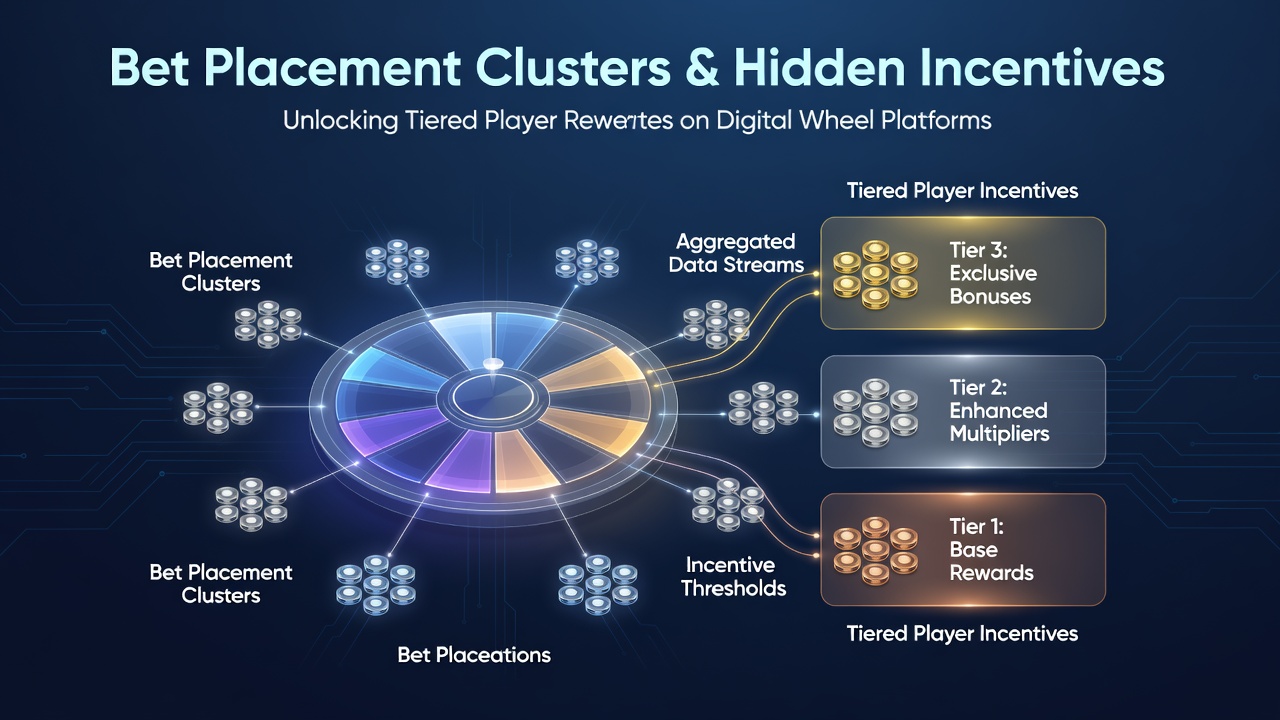
Digital wheel platforms organize player bets into recognizable clusters that extend beyond simple number selections and instead group wagers by spatial patterns, payout ranges, and frequency metrics tracked within app algorithms. These clusters form when players repeatedly place combinations such as neighbor bets around a central number or balanced inside and outside positions, and platform systems register the groupings as distinct behavioral signatures that influence reward eligibility.
Defining Clusters in Digital Environments
Platform developers categorize clusters according to layout geometry where European wheels with 37 pockets create tighter groupings than American variants with 38 pockets, and data from session logs show players who favor column clusters unlock progression markers faster than those using scattered single bets. Observers note that software engines detect these patterns through real-time analysis of bet size ratios and repetition rates, then map them against predefined incentive ladders that reward consistent cluster adherence with escalating benefits including deposit matches and free spin allocations.
Mechanics Linking Clusters to Incentive Tiers
Tiered structures operate on thresholds where a player completing a minimum number of adjacent placements within a single spin cycle qualifies for level advancement, and June 2026 platform updates introduced refined detection scripts that distinguish intentional clusters from random selections by measuring deviation from average session distributions. Research indicates that activation occurs when cluster density exceeds baseline parameters established during account onboarding, granting access to higher reward brackets that scale with total volume and pattern complexity across multiple sessions.
Platform Variations and Regional Data Patterns
Operators in North American markets apply cluster tracking more aggressively than those in Asia-Pacific regions because regulatory filings require detailed reporting on player engagement metrics, whereas Australian frameworks emphasize responsible play disclosures that indirectly shape how incentives attach to cluster completion. Figures from the Nevada Gaming Control Board reveal steady increases in digital wheel participation tied to cluster-based promotions through the first half of 2026, with mobile sessions showing higher cluster density than desktop equivalents due to touch interface efficiencies that encourage grouped selections.
Algorithmic Triggers and Player Progression
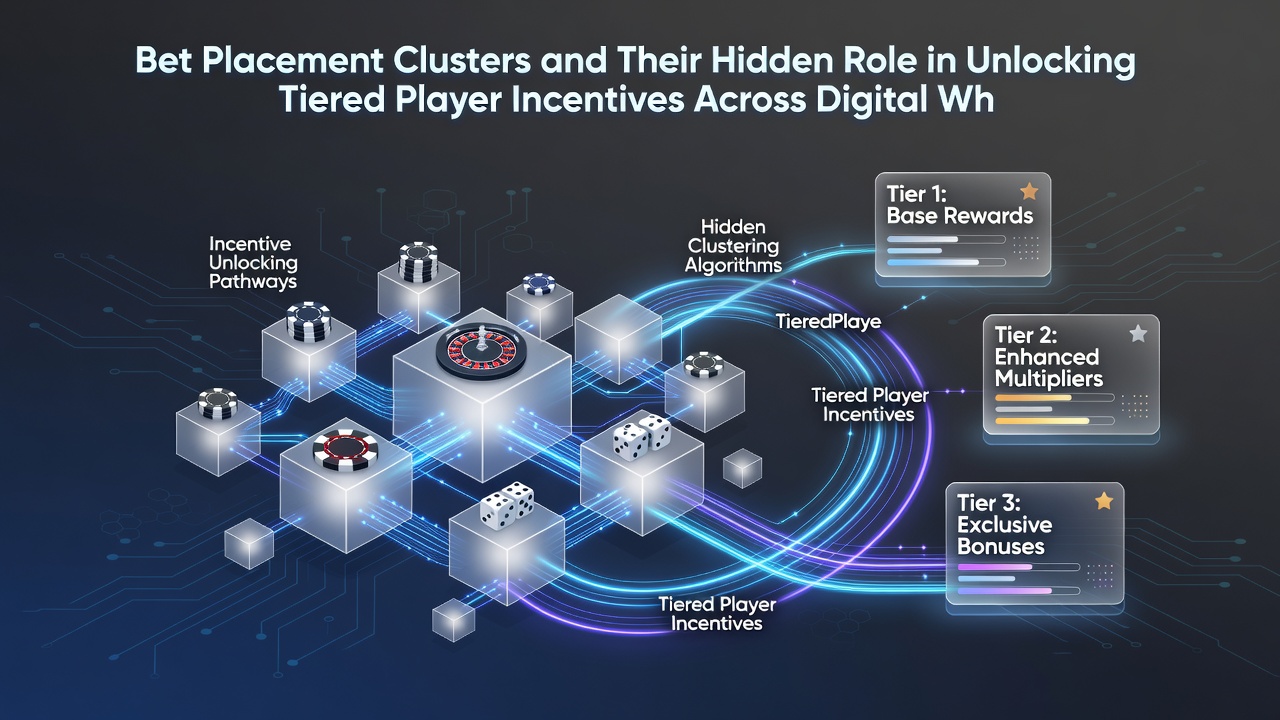
Algorithms evaluate cluster formation across time windows that reset daily or weekly, and those who maintain cluster consistency across consecutive periods advance tiers without manual intervention while sporadic players remain at entry levels despite equivalent total wager amounts. Studies from the University of Nevada Reno Gaming Research Center demonstrate that platforms adjust cluster weightings seasonally to align with traffic peaks, creating temporary windows where specific groupings such as zero-adjacent placements yield accelerated reward points during high-volume months.
Integration with Broader Reward Ecosystems
Cluster recognition feeds into loyalty matrices that combine placement data with deposit frequency and session duration, producing composite scores that determine eligibility for personalized offers distributed through in-app notifications. External reports compiled by the European Gaming and Betting Association track how these integrated systems affect retention rates across multiple jurisdictions, showing measurable differences in progression speed when cluster incentives form the primary advancement pathway rather than volume-only models.
Future Adjustments Anticipated in Mid-2026
Platform operators prepare additional cluster categories for rollout in June 2026 that incorporate live dealer wheel segments and hybrid virtual-physical placements, expanding the range of detectable patterns available for tier qualification. Those monitoring regulatory filings note that updated compliance requirements in several provinces will require clearer disclosure of how cluster data influences incentive distribution, potentially standardizing the visibility of these mechanisms across competing applications.
Conclusion
Bet placement clusters function as foundational elements within digital wheel ecosystems because they convert observable player behaviors into quantifiable triggers for tier advancement, and ongoing refinements scheduled through 2026 continue to tighten the relationship between pattern recognition and reward access across global platforms. Data collection practices evolve alongside these systems, maintaining alignment with regional oversight while expanding the granularity of cluster definitions used to structure player progression.